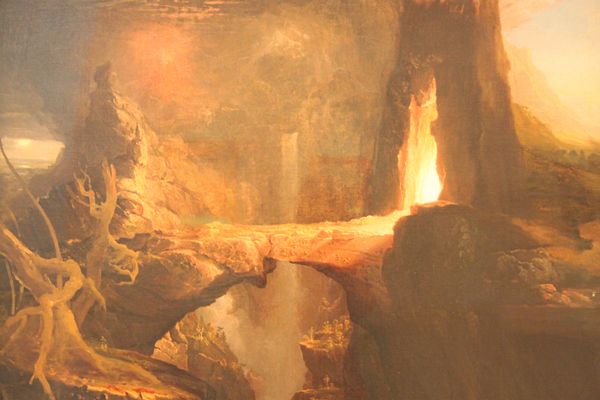
We are what we destroy as much as what we preserve
Epistolaria, December 2025: On ghosts, memory, and ceremonials

This essay is included in the December issue of my epistolary zine, EPISTOLARIA. Project subscribers receive the zine, which includes this essay, a limited edition print, book recommendations, and fragments of conversation, via post.
In the spirit of the holidays, this short essay is free to all subscribers, though the link to download the digital issue is paywalled. Do still consider upgrading your Substack subscription or join the zine mailing list to support my work! — Lian
With the year ending comes the ritual of summarizing the events of the past twelve months. We begin to narrativize the chaos of our experience into a neat mental album that will, one day, become the monument of our 2025. How we tell this story today will be the way we remember it for a long time. The year of heartbreak. The year I quit my job of x years. The year I checked off three items from my bucket list. The year I hit rock bottom. The year I read 100 books. The year I adopted my second cat.
On social media, this ritual manifests in various forms: Wrapped highlights (popularized by Spotify but adopted now by many platforms within and outside the music industry), a carousel of photos representing the most memorable events of one’s year, year-end reflection essays on Substack, Facebook, Patreon, or wherever else. I find it a fascinating human practice; seeing glimpses of the full lives lived by loved ones and acquaintances is genuinely endearing, and inspires me to reflect on my own feats and milestones these past few months. Our lives are beautiful and short, so celebrating our survival of yet another year, arbitrary as this period of time may be, is worth the little ceremonial.
While the methods have changed, to remember and be remembered have always been human desires. Those before us carved their names and stories onto stone. They built guarded libraries, temples, and monuments. They assigned and protected memory keepers. Today, we continue some of these traditions on top of newer, less centralized ones: we post online, slap stickers onto city infrastructure, collect family photo albums, create scrapbooks and junk journals. Here I am reminded of Derrida’s concept of the archive fever — this compulsion to preserve memory or archival material, but also to destroy it. The choice to commemorate is inevitably also a choice to forget, since in our choosing what to remember we choose, too, what we do not. Selection is necessary because it is literally impossible to represent the fullness of lived reality through any form of representation. This concept of archive fever is especially significant in matters of history, as it reminds us that commemoration comes from and strengthens power, but like many things, it begins on the level of the individual. What do we value enough to remember through physical marks and mementos, and what about ourselves do we wish would disappear? What shall our silences and lacuna suggest?

Derrida calls these destroyed archival materials the specter that haunts the archive; those things we, consciously or otherwise, repress. I shiver — in fear and pleasure — at the thought of these ghosts lingering at the edges of my memories. The mundane and my shame both. Sometimes I encounter these ghosts — the childhood traumas and mistakes I have not forgiven myself for — and reorganize my archive accordingly, the way we must also retell our collective histories as necessary every few years. More often, though, I just commune with these personal specters quietly and allow them to brush the white spaces of the page. Presiding over my own archiving, I allow these specters to linger in the interstices.
The problem today is, with constant, nearly inescapable surveillance, these specters aren’t just occasional poltergeists anymore, but zombies. As we collectively increase our capacity for archiving — voluntary, through the volume we now publicly share about ourselves, and involuntarily, through our personal data mined, analyzed, and sold with none to barely-there consent — we limit what we destroy. Long-forgotten information about us can be unearthed somewhere and revived into the undead for justice or nostalgia at best, and malice at worst. Instead of these traces of life decomposing, they disperse into the ether as memory microplastics. On top of archives we have ravenous data centers. Renewal is stunted beneath the mountain of our non-biodegradable material and immaterial wastes. Are we so afraid to die that we stifle the full renewal of life?
So this year, aside from celebrating my milestones, I hold private, imagined burials for those parts of me that have died, whether they were weathered by time or slain by my hand. To remember is an honor and a duty; but forgetting, too, can be a gift. Through it I make space for tomorrow.
Thank you for being here. Happy holidays x

Further reading
It turns out year-ends have inspired me to write about time, memory, and ghosts the past two years. In case you were in the mood for more on this subject:
 Lian Sing
 Lian Sing