In the face of grand, terrible problems, of what significance is a bit of verse?
Epistolaria, April 2026: Yet another defense of poetry
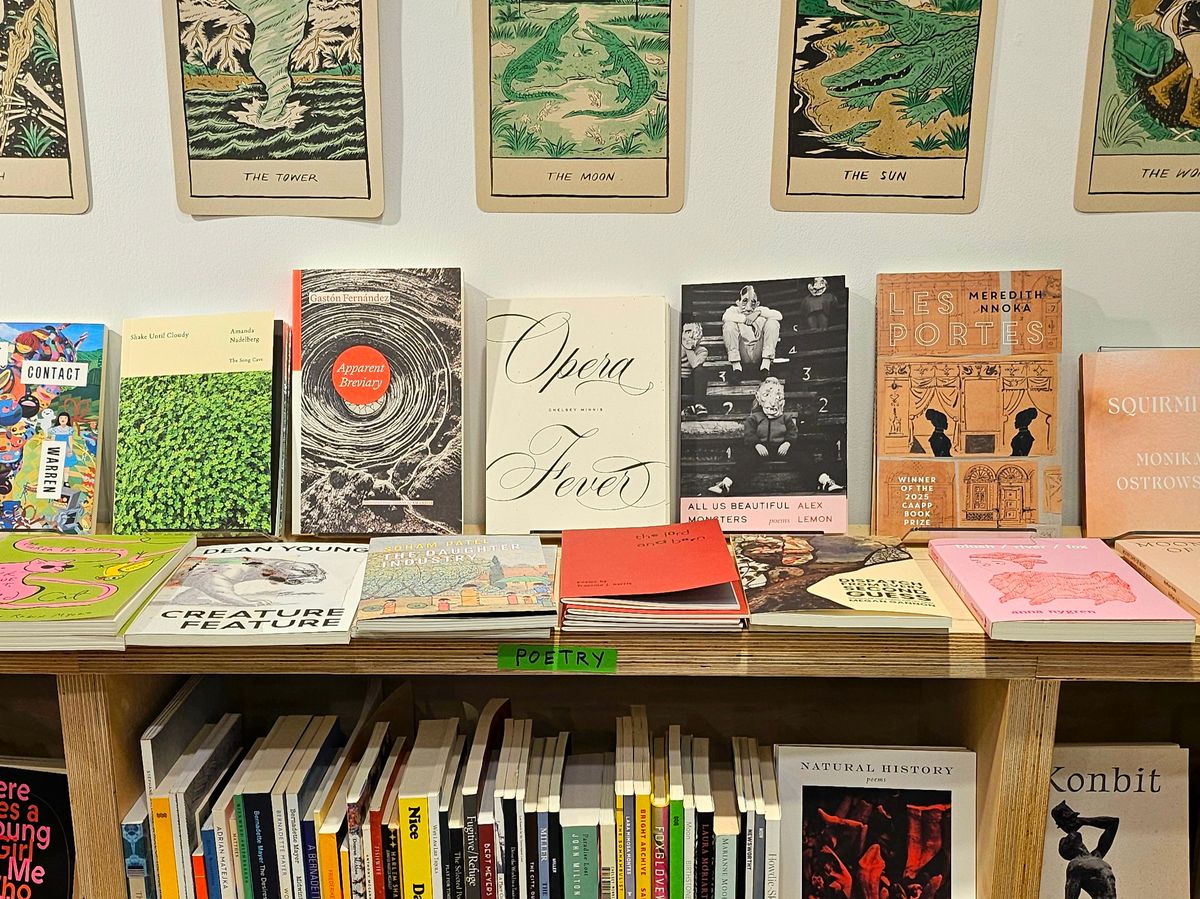
I do myself a disservice every time I tell a stranger: I unfortunately write in the most unprofitable genre ever; poetry. Cue sheepish face, awkward chuckle.
Tsk, the better version of me remarks from the future like a gentle but necessary slap on the wrist. Stop doing that.
She’s right, of course, which is to say, I understand; I’m working on it. The shriveling ends today. While I am under no delusion that poetry can materially shake the world, how can I call myself a poet and not understand poetry to be as essential as prayer? I’ve always known it, but I buried this truth beneath pragmatism and the dense archive of unpleasant looks I’ve gotten from people when I say I write poems.
“Poetry is patterned language,” says Carl Phillips. This is perhaps the definition of the word I feel most at ease with. Broad enough to encompass the many forms of poetry, but specific enough to define clearly what it is not. Poetry is not randomly breaking lines into stanzas, it is not the use of flowery or obscure words for the sake of it. It is language with its own universe of logic where the dead speak and words shine anew, glossy from the specific context it is placed into.
We know that pattern recognition is a fundamental cognitive ability that has allowed humans to survive and thrive. It’s why the ancients chronicled the weather, watched the stars night after night, memorized the sound of predators in the grass. Pattern is a path to knowing. It is why, for better or worse, artificial intelligence wows and terrifies – its impossibly fast ability to detect patterns in vast amounts of data and derive useful insights takes this process to the extreme. The extent to which widespread use and adoption of AI will weaken our own muscles of pattern recognition is, to me, a very real concern. What we don’t use, we lose goes that old adage.
“It is a common requirement of literary, religious, and scientific meteorology that for a cloud to be available for analysis it must be represented in logos. The right use of names is widely acknowledged to be a precondition for theoretical inquiry,” writes David Larsen in his introduction to The Book of Rain. So, too, must everything else — what we want to understand and analyze must first have a name, and a name is often the fusion of relevant concepts; its own pattern. For instance, we get inspire from the Latin inspirare, “to breathe or blow into”, derived from root word spirare, “to breathe”. This same root gives us spiritus, which means “breath”. So, in a single, everyday word, we connect the concepts of life, spirit, and the divine joined in the gesture of a breath. A clear pattern.
It was in reading The Book of Rain, a contemporary translation of an old text that is essentially the oldest known catalog of Arabic words for weather, that fired up in my mind the connection between poetry and everyday life. This list, compiled by Abū Zayd al-Anṣārī and recorded by transcribers present at his lectures, reveals a quality of attention I aspire to exercise. It occurred to me that a heightened level of attention can draw lines where there was none, as in the way one root word lends itself to words that both mean “sunshine” and “shallow pools”, as Larsen explains in this stunning note:
ḌAḤL AND ḌAHḌĀḤ describe “shallow” pools of water. Both go back to √ḍḥḥ, a root that is used for the impact of the sun upon the ground. Al-ḍiḥḥ is a piece of ground that catches the sun, or it is sunshine itself. To call a body of water ḍaḥḍāḥ or ḍaḥl is to say it runs no deeper than what the sun touches.
Through pattern recognition, we can then move towards pattern disruption and innovation, an ability that transcends far beyond etymology. Understanding historical patterns guides the present, whether it means sustaining what has worked or disrupting what we refuse to repeat. Reliable patterns, like doing well, and you?, also function as everyday shortcuts that lessen our mental load, but knowing when patterns must be broken is an equally valuable thing.

All this is skill, which is what brings me back to the necessity of poetry, this art where pattern-making is everything. It’s as frivolous as math or logic, which is to say, it’s not. With every metaphor, rhyme scheme, and enjambment, I sharpen my ability to pay attention, see the unseen, reveal the obfuscated. That it may move or transform the self in ways invisible under laws of economics and capitalism is its mystical, powerful gift — one can’t change the world without changing the self — and for this I will never diminish it again.
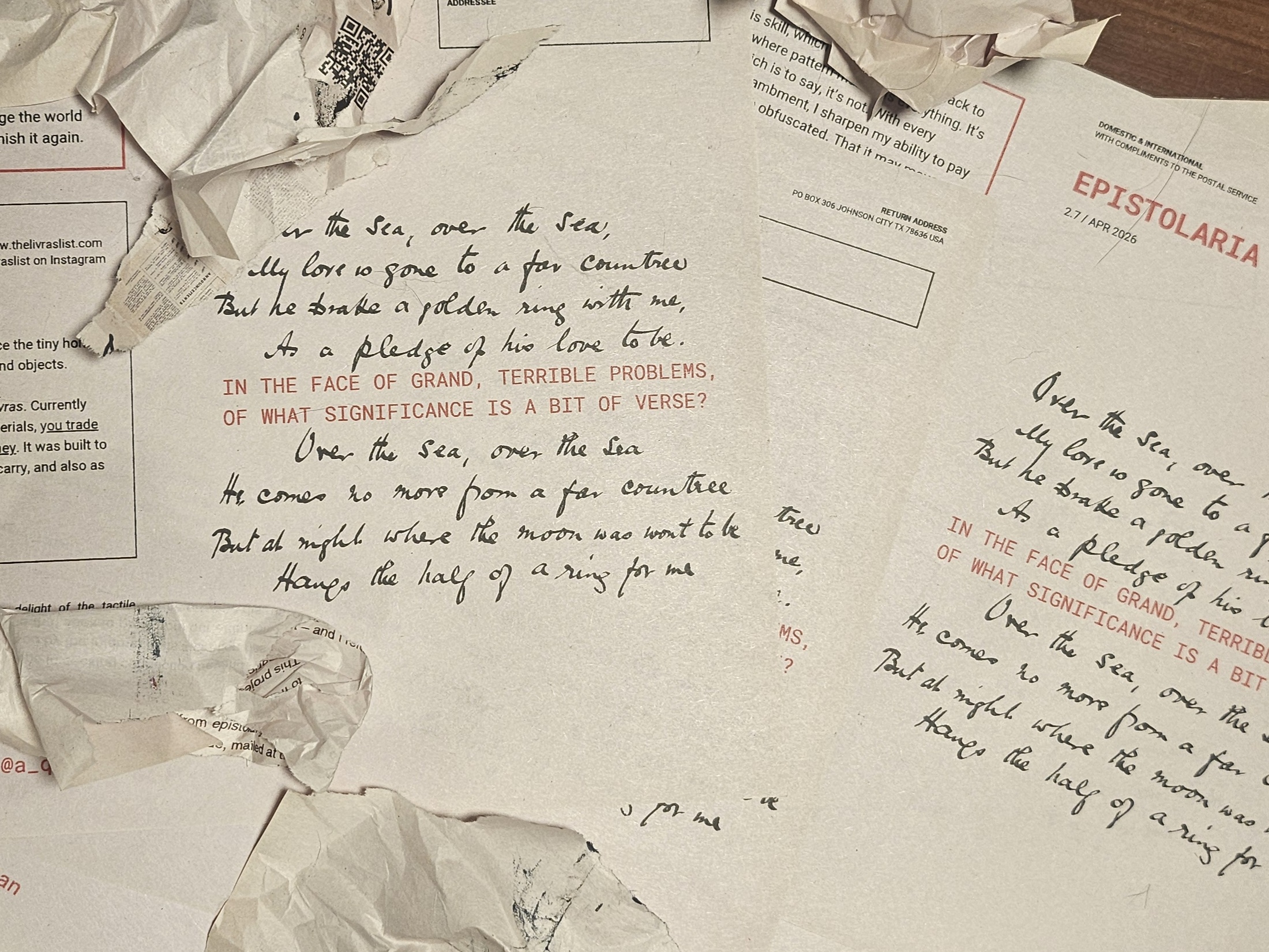
This essay is included in the April issue of my epistolary zine, EPISTOLARIA. Project subscribers receive the zine, which includes this and a seasonal postcard. I decided to make this essay available to all readers, because why not?
Consider joining the zine mailing list to support my work. Thank you for helping to make this creative practice a possibility. — Lian